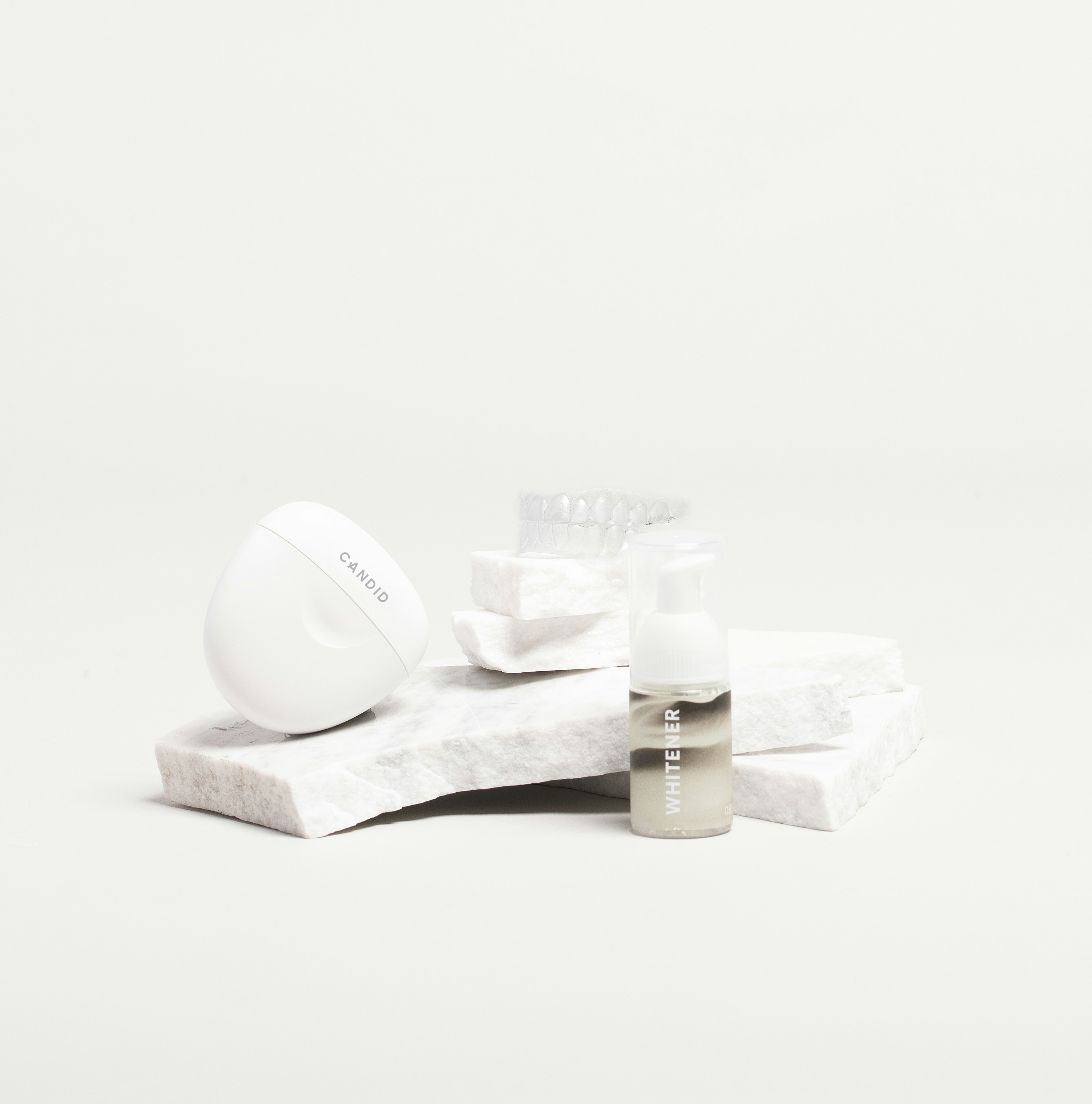
Understanding Teeth Whitening
Teeth whitening is a popular cosmetic dental procedure aimed at enhancing the brightness of one’s smile. This process involves the use of specific agents that lighten the color of teeth, effectively removing stains and discolorations that can accumulate over time due to various factors such as dietary habits, smoking, and natural aging. Understanding how teeth whitening works is essential for anyone considering these treatments, whether they are contemplating at-home options or professional services.
The most common whitening agents include hydrogen peroxide and carbamide peroxide, both of which release oxygen molecules that penetrate the enamel and dentin layers of the teeth. This oxidation process breaks down complex molecules that cause discoloration, resulting in a whiter appearance. The concentration of these agents varies significantly between at-home products and professional treatments. Typically, in-office whitening procedures utilize higher concentrations, yielding immediate results, while at-home kits generally contain lower concentrations, necessitating consistent use over several days or weeks for noticeable effects.
There are numerous at-home teeth whitening options, such as bleaching gels, strips, trays, and toothpaste specifically formulated for whitening. Each product varies in effectiveness, application method, and duration of use. While many individuals opt for these over-the-counter solutions due to their convenience and affordability, professional dental treatments, which are performed under the supervision of a licensed dentist, may offer superior results and fewer side effects.
People pursue teeth whitening for a variety of reasons, including enhancing self-confidence, improving appearance for special occasions, or simply maintaining a youthful look. Knowing the available options, as well as the underlying principles that guide the teeth whitening process, helps individuals make informed decisions about which method may be best suited for their needs and goals.
Assessing Your Teeth Sensitivity
Teeth sensitivity is a common dental issue that affects many individuals, especially those considering at-home teeth whitening products. It refers to a short, sharp pain or discomfort that occurs when teeth are exposed to certain stimuli, including hot, cold, sweet, or acidic substances. The underlying causes of tooth sensitivity can vary greatly, ranging from worn enamel and gum recession to dental cavities and certain underlying medical conditions. It is crucial to understand your level of tooth sensitivity prior to choosing a tooth whitening product to avoid exacerbating discomfort.
Individuals with sensitive teeth often experience heightened reactions to whitening agents. The ingredients typically found in teeth whitening products, such as hydrogen peroxide or carbamide peroxide, can further irritate the vulnerable areas of sensitive teeth, leading to increased discomfort. Therefore, assessing your sensitivity is not only important for a comfortable whitening experience, but it also plays a critical role in selecting the right product that aligns with your oral health needs.
To assess your sensitivity, it may be necessary to conduct a quick at-home test. This involves consuming hot, cold, and sweet foods or beverages to determine your comfort level. If you experience sharp pain or discomfort, it may be indicative of sensitivity. Additionally, consulting your dentist for a comprehensive evaluation is advisable, especially if sensitivity is severe or persistent. They can provide guidance and recommend suitable whitening products, taking into account your specific dental concerns. This tailored approach can significantly enhance your whitening experience while minimizing discomfort and ensuring optimal results from chosen products.
Effectiveness of Whitening Products
As the quest for brighter smiles continues, a plethora of at-home whitening products have emerged in the market. Understanding the effectiveness of these products is essential for consumers looking to enhance their dental aesthetics. Major categories of at-home whitening options include strips, gels, pens, and trays, each varying significantly in their formulation and user experience.
Teeth whitening strips are a popular choice, predominantly due to their convenience and ease of use. These strips usually contain hydrogen peroxide or carbamide peroxide, which function as active bleaching agents. Their effectiveness can vary based on the concentration of these ingredients; higher concentrations generally yield faster results. Users often report visible improvement in teeth color after a period of consistent use, typically ranging from a few days to two weeks.
Gel-based whitening products, often delivered through trays, also utilize similar active ingredients. The custom nature of trays can enhance the application, ensuring that the gel adheres sufficiently to the teeth while minimizing contact with the gums. This method tends to provide more uniform whitening results and is often favored for more significant whitening goals.
On the other hand, whitening pens are gaining popularity for their portability and precision application. However, their efficacy tends to be complemented by regular, consistent usage, and results may take a bit longer to manifest due to their lower concentration of active ingredients.
When comparing these products, it is crucial to consider individual whitening goals. For instance, those seeking rapid results may prefer strips or trays with higher peroxide concentrations, while users looking for a more gradual whitening experience may benefit from gels or pens. Evaluating the effectiveness of each type can guide one in selecting the most suitable at-home whitening product for their needs.
Ease of Use
When considering teeth whitening, the ease of application is a crucial factor that can significantly influence your choice of product. With various whitening methods available, users must evaluate how each option fits into their lifestyle. For example, traditional whitening strips are often praised for their convenience, as they can be applied directly to the teeth and allow for multitasking, enabling users to go about their daily routines while whitening occurs. These strips typically require only 30 minutes to an hour of wear time, making them suitable for those with busy schedules.
On the other hand, whitening trays, which often involve a custom mold to ensure an even application, can require a greater time commitment. Users may need to wear the trays for extended periods, sometimes overnight, which might not be feasible for everyone. Consideration should also be given to the initial preparation required for some of these products, as mixing solutions or creating molds can deter those seeking a straightforward option.
Another category worth exploring is whitening pens, which provide a quick and easy solution for on-the-go touch-ups. These pens are portable, allowing users to apply whitening gel directly onto the teeth at any time. This option may be ideal for those looking for minimal commitment while still achieving gradual results. In contrast, some faster-acting products, such as professional-level LED lights, may yield quicker results but typically require setup and adherence to detailed instructions.
Ultimately, when selecting an at-home teeth whitening product, consider both the effectiveness and the ease of use. Balancing these priorities will help you find the right fit that seamlessly integrates into your daily routine, ensuring a positive whitening experience.
Safety Considerations
When selecting at-home teeth whitening products, safety is a paramount concern that should not be overlooked. Although many consumers seek a brighter smile, it is essential to be aware of the potential side effects associated with such treatments. Common reactions to whitening agents, particularly those containing hydrogen peroxide or carbamide peroxide, may include tooth sensitivity and gum irritation. These side effects can vary in intensity depending on the individual’s dental health and the concentration of the active whitening ingredients.
It is crucial to adhere closely to the product instructions provided by the manufacturer. Misuse or overuse of whitening products may intensify adverse reactions and lead to damage to the enamel or soft tissues in the mouth. Following recommended application times and frequencies can minimize risks and enhance the effectiveness of the whitening process.
Additionally, certain individuals should consider consulting with a dentist before starting any at-home whitening regimen. This includes people with pre-existing dental conditions such as severe tooth sensitivity, gum disease, or significant dental restorations like crowns and veneers. A dental professional can provide personalized guidance, ensuring that the selected product is safe and suitable for one’s specific dental situation.
Moreover, it is advisable to undergo a comprehensive dental check-up before beginning any whitening treatment. A dentist can confirm the health of the teeth and gums, potentially identifying issues that may complicate the whitening process. In general, prioritizing safety by seeking professional advice and abiding by product guidelines is essential for anyone considering at-home teeth whitening.
Realistic Expectations
When considering at-home teeth whitening products, it is crucial to approach the process with realistic expectations. The perceived effectiveness of these products can vary significantly based on several factors, including the natural coloration of one’s teeth, prior dental procedures, and individual lifestyle choices. These elements can influence the results one may achieve from whitening treatments.
The natural shade of teeth is an inherent factor that affects whitening outcomes. Individual tooth coloration, which can range from a natural white to shades of yellow or gray, is primarily determined by genetics and can influence how much lighter teeth can appear post-treatment. For instance, yellowish teeth may respond better to whitening agents compared to those with gray undertones. Therefore, it is essential to understand that the starting shade of your teeth plays a pivotal role in the anticipated results.
Moreover, existing dental work, such as crowns, veneers, or fillings, can complicate the whitening process. These materials do not always respond to whitening agents in the same way as natural tooth enamel. Consequently, individuals with significant dental work may notice a mismatch in color following treatment, leading to unsatisfactory results. It is advisable to consult with a dental professional regarding the best approach tailored to your dental history.
Lifestyle factors also greatly influence the effectiveness of home whitening products. Habits such as smoking, excessive coffee or tea consumption, and a diet high in staining foods can counteract the effects of whitening treatments. To optimize results, individuals should consider adopting healthier habits alongside their whitening regimen.
Cost Comparison
When considering at-home teeth whitening products, understanding the cost implications is essential for making an informed decision. The market offers a diverse range of options, from budget-friendly kits to high-end systems, each varying significantly in price.
At the lower end of the spectrum, you can find whitening strips and toothpaste priced around $10 to $50. These options provide an accessible entry point for individuals looking to enhance their smile without a major financial commitment. While they tend to be cost-effective, the results may take longer to become noticeable, often requiring consistent use over several weeks.
Mid-range products generally fall between $50 and $150. These may include more advanced whitening kits featuring LED light technology or professional-grade whitening trays. Such products usually offer faster results and may be more effective than their budget counterparts, potentially translating to greater long-term value.
On the high end, there are professional at-home kits that can cost $200 or more. These premium products often include sophisticated formulations and custom trays that can achieve substantial results in a shorter time frame. For those willing to invest the extra money, the long-term benefits could include lasting whiter teeth and the enhanced confidence that comes with them.
However, individuals should also consider cost in correlation with effectiveness and safety. Some products may claim dramatic results, but thorough research and reviews are essential to ensure that quality is not sacrificed for a lower price. Investing in reputable products, even at higher price points, could prove more cost-effective in the long run if they lead to superior outcomes.
Reviews and Testimonials
When selecting the best at-home teeth whitening products, one of the most valuable resources to consider is the reviews and testimonials from both consumers and professionals. These insights provide a wealth of information about product effectiveness, user experience, and potential side effects that can help guide your decision. By examining various credible sources, you can make a more informed choice that aligns with your needs and expectations.
To find credible reviews, it is advisable to consult reputable dental websites, forums, and review platforms where both dental professionals and regular users share their experiences. Websites like Consumer Reports and oral health-related forums may offer expert opinions on specific whitening products, scrutinizing their claims and presenting comparative analyses. This level of scrutiny allows potential users to assess the authenticity of a product’s effectiveness based on expert recommendations rather than marketing hype.
Furthermore, direct customer testimonials can provide a more personal perspective on the usage of certain products. Look for reviews that detail both positive and negative experiences to gain a balanced overview. Pay attention to common themes in these testimonials, such as ease of use, level of discomfort, and overall satisfaction with the whitening results. Genuine customer feedback often highlights real-life usage scenarios, allowing you to gauge how the product may perform for you.
In addition to traditional reviews, social media platforms and video-sharing websites can serve as informative outlets where users demonstrate their whitening journeys and share before-and-after results. Engaging with these platforms can help you visualize the product’s outcomes, making it easier to compare alternatives effectively. Ultimately, leveraging reviews and testimonials is crucial in your pursuit of the best at-home teeth whitening product.
Final Tips for Choosing the Right Product
When selecting at-home teeth whitening products, it is essential to carefully consider several factors to ensure that you choose the most suitable option for your needs. First, evaluate the types of products available, such as whitening strips, gels, and trays. Each has distinct advantages and limitations, so understanding the best fit for your lifestyle and dental sensitivity is crucial.
Next, look for products that have been clinically tested and received positive reviews from users. Reading customer feedback can offer insights into the effectiveness and potential side effects of various options. Moreover, prioritize formulations that contain ingredients known for their whitening properties, such as hydrogen peroxide or carbamide peroxide, while being gentle on enamel.
Additionally, consider your dental history and any existing conditions. Consulting with a dental professional can provide personalized recommendations based on your specific circumstances. They can help you discern whether you should take extra precautions or if certain products are better suited to your dental hygiene.
Furthermore, setting realistic expectations is important. Many at-home whitening products offer gradual results rather than instant transformations. Be patient and follow the included instructions meticulously to achieve optimal outcomes.
Lastly, keep an eye on the price point and consider your budget. High-quality whitening products come in various price ranges, so find a balance between cost and effectiveness. Ultimately, selecting the right at-home teeth whitening product is a comprehensive process that accounts for personal goals, dental health, and budgetary constraints.
With these final tips in mind, you can confidently navigate the diverse landscape of at-home teeth whitening products and enhance your smile effectively and safely.